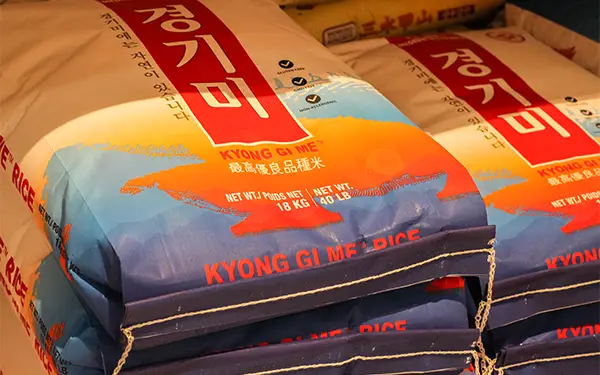
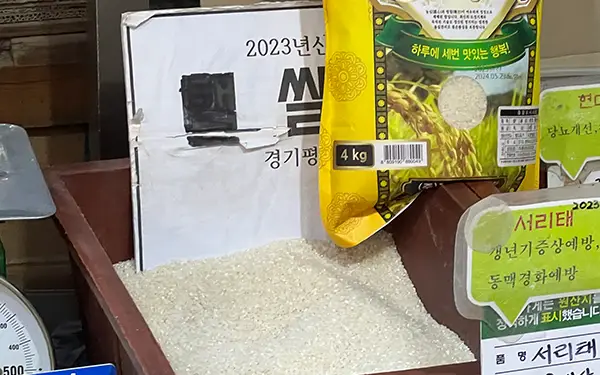
Rice is a necessary staple in Korean cuisine, and you can’t serve a meal without it. It is more important than any other dish or cooking method in Korean cuisine because it is served at every meal and all dishes on a Korean table are meant to be eaten with rice.
In Korean, the term “밥” refers to cooked rice. This term also can be used to refer to a “meal.” The usage of this Korean term shows just how important rice is in Korean culture and cuisine.
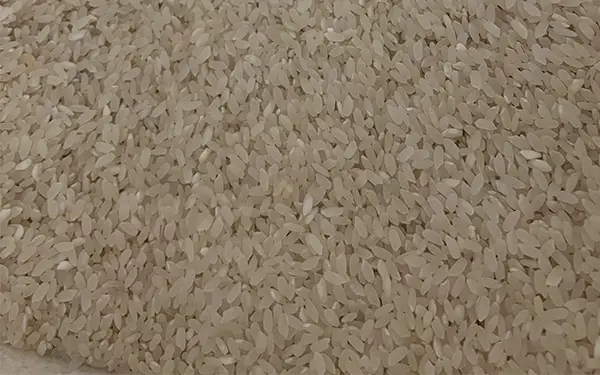
In Korean culture, medium and short-grain rice is usually used. This means that in general Korean rice has more starch and a stickier texture than long grain rice which is used in different cultures. There are different types of rice that you will see in Korean cuisine, such as brown rice (현미), sticky/sweet brown rice (현미찹쌀), sticky/sweet white rice (찹쌀), and white medium-grain rice (백미).
All rice used in Korean cuisine can be categorized into the following two categories: sticky and non-sticky. The main difference between sticky and regular rice is the type of starch that is in each rice or grain.
- Sticky rice (찹쌀) refers to rice that is sticky.
- Non-sticky rice (멥쌀) refers to rice that is not sticky.
Another way that rice is categorized is through how it is processed. We will break this down by going over the general anatomy of rice and grain. This will help you to understand the differences between different kinds of rice and grains like brown rice and white rice.
Rice and grain consist of 4 parts:
- the husk: is the fibrous outer layer
- The bran: tough outer later covering the endosperm
- the endosperm: starchy kernel
- the germ: tiny embryo that forms the new plant when the seed sprouts.
Brown rice has the bran, germ, and endosperm intact. This makes brown rice richer in nutrients and calories. It is also the reason that brown rice is soaked longer than white rice before cooking.
White rice has the bran and germ removed. This makes for easier digestion among older and younger people. It also offers a different texture.
So, when I introduce different rice and grains and explain why they are soaked or prepped in different ways you can see how their anatomy dictates why that is the case.